Overview: Why Korean Red Ginseng Extract Powder Remains a Cornerstone Ingredient
Korean Red Ginseng Extract Powder is one of the most widely recognized and commercially demanded botanical extracts in the global nutraceutical, functional food, and dietary supplement markets. Produced from the steamed and dried roots of Panax ginseng C.A. Meyer (family Araliaceae), this extract is standardized to deliver a concentrated profile of ginsenosides — the triterpene saponin compounds widely regarded as the primary bioactive constituents responsible for the adaptogenic and tonifying properties associated with ginseng.
The Extract Factory manufactures this high-purity Korean Red Ginseng Extract Powder using cultivated Panax ginseng raw material, applying controlled steaming and drying processes that transform fresh ginseng root into "red ginseng" — a traditional preparation method rooted in centuries of East Asian herbal medicine. The resulting powder is available in multiple concentration ratios (10:1, 20:1, and 50:1) to suit diverse formulation requirements, from capsule blends and tablet compressions to functional beverages and powdered supplement mixes.
For brand owners, contract manufacturers, ingredient distributors, and wholesale buyers seeking a reliable, food-grade ginseng extract with traceable quality documentation, this product offers consistent potency, batch-to-batch reproducibility, and compatibility with international regulatory frameworks.
Botanical Source & Raw Material Traceability
Origin and Cultivation
The raw material for this Korean Red Ginseng Extract Powder is derived from cultivated Panax ginseng C.A. Meyer, a perennial herbaceous plant native to the Korean Peninsula, northeastern China, and parts of the Russian Far East. Korean ginseng (also referred to as Panax ginseng var. ginseng) has historically been distinguished from other ginseng species — such as American ginseng (Panax quinquefolius) and Panax notoginseng — by its growing region, cultivation practices, and phytochemical profile.
The roots are harvested after a minimum growth period to ensure adequate accumulation of ginsenosides and other secondary metabolites. Following harvest, the fresh roots undergo a proprietary steaming process — traditionally performed at controlled temperatures — which induces chemical transformations in the saponin fraction, generating rare ginsenosides such as Rg3, Rh2, and Rk1 that are characteristic of red ginseng and less abundant in white (unprocessed) ginseng.
Plant Part Used
The extract is produced exclusively from the dried root of Panax ginseng C.A. Meyer. Leaves, stems, and lateral roots are not used in this standardized extract, ensuring that the product reflects the pharmacologically relevant tissue with the highest concentration of target compounds.
Extraction & Manufacturing Process
The Extract Factory employs a multi-stage extraction and concentration workflow designed to maximize ginsenoside yield while maintaining the integrity of heat-sensitive constituents:
- Raw Material Preparation: Dried red ginseng roots are cleaned, milled to a uniform particle size, and subjected to quality pre-checks (moisture content, heavy metal screening, microbial load).
- Solvent Extraction: The milled root material is extracted using a hydroalcoholic solvent system (typically water-ethanol mixtures) under controlled temperature and pressure conditions. This method efficiently solubilizes both polar and moderately polar ginsenosides.
- Concentration & Drying: The crude extract is concentrated under vacuum to remove excess solvent, then spray-dried or drum-dried to produce a free-flowing fine powder.
- Standardization: The finished powder is assayed via HPLC and adjusted to meet the specified ginsenoside content (e.g., ≥3.0% total ginsenosides for the standard grade, with individual ginsenoside ratios verified).
- Quality Control & Packaging: Each batch undergoes comprehensive analytical testing before being sealed in moisture-barrier packaging.
This closed-loop manufacturing approach supports full batch traceability — from raw material lot to finished product — a critical requirement for B2B buyers operating under GMP, ISO, or other quality management systems.
Product Specifications
| Parameter | Detail |
|---|---|
| Product Name | Korean Red Ginseng Extract Powder |
| Botanical Name | Panax ginseng C.A. Meyer |
| Plant Family | Araliaceae |
| Plant Part Used | Dried root (steamed/red ginseng) |
| Extract Ratio | 10:1, 20:1, 50:1 (custom ratios available on request) |
| Active Constituents | Ginsenosides (Rg1, Re, Rf, Rb1, Rc, Rb2, Rd, Rg3, Rh2 and others) |
| Assay (Total Ginsenosides) | ≥3.0% (HPLC) |
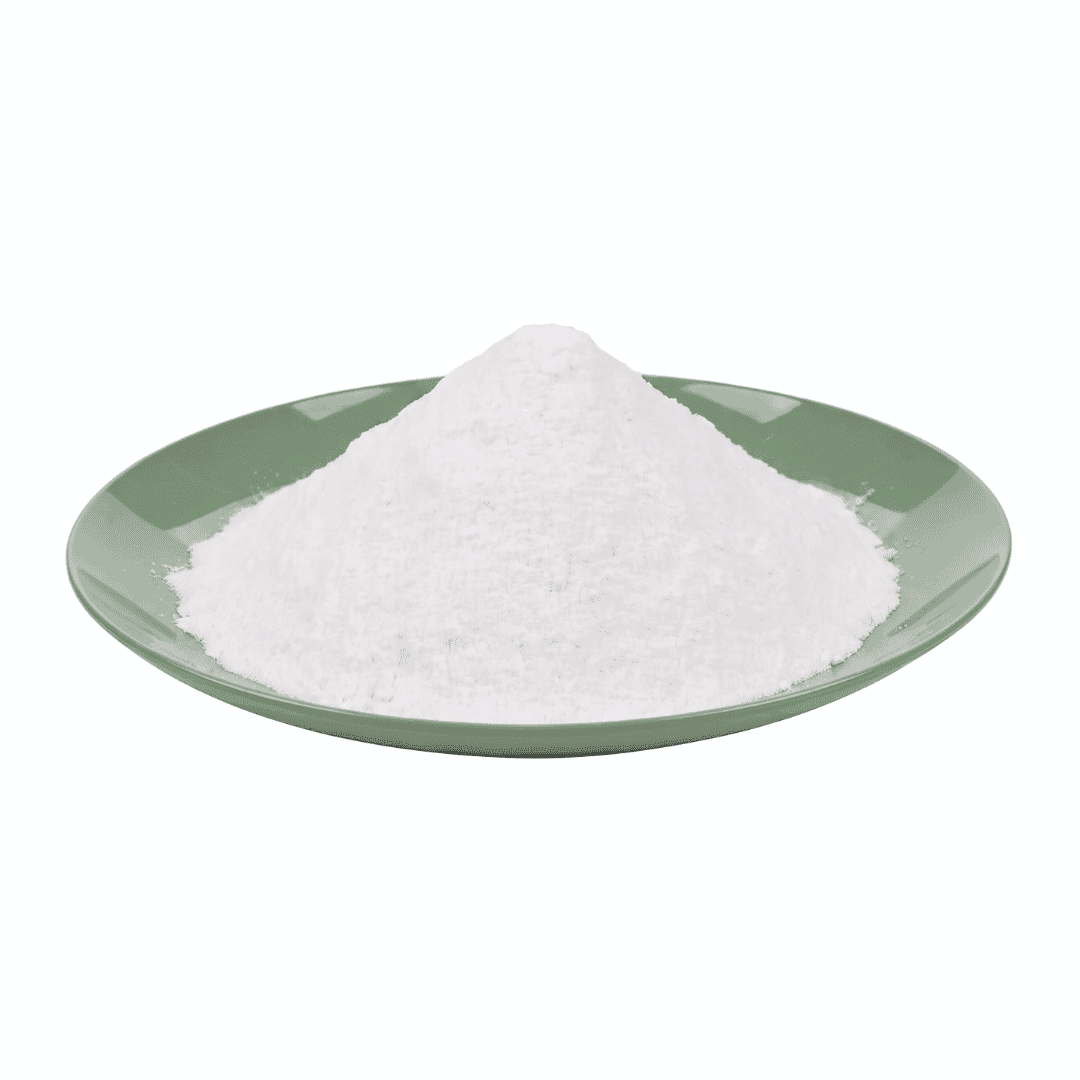
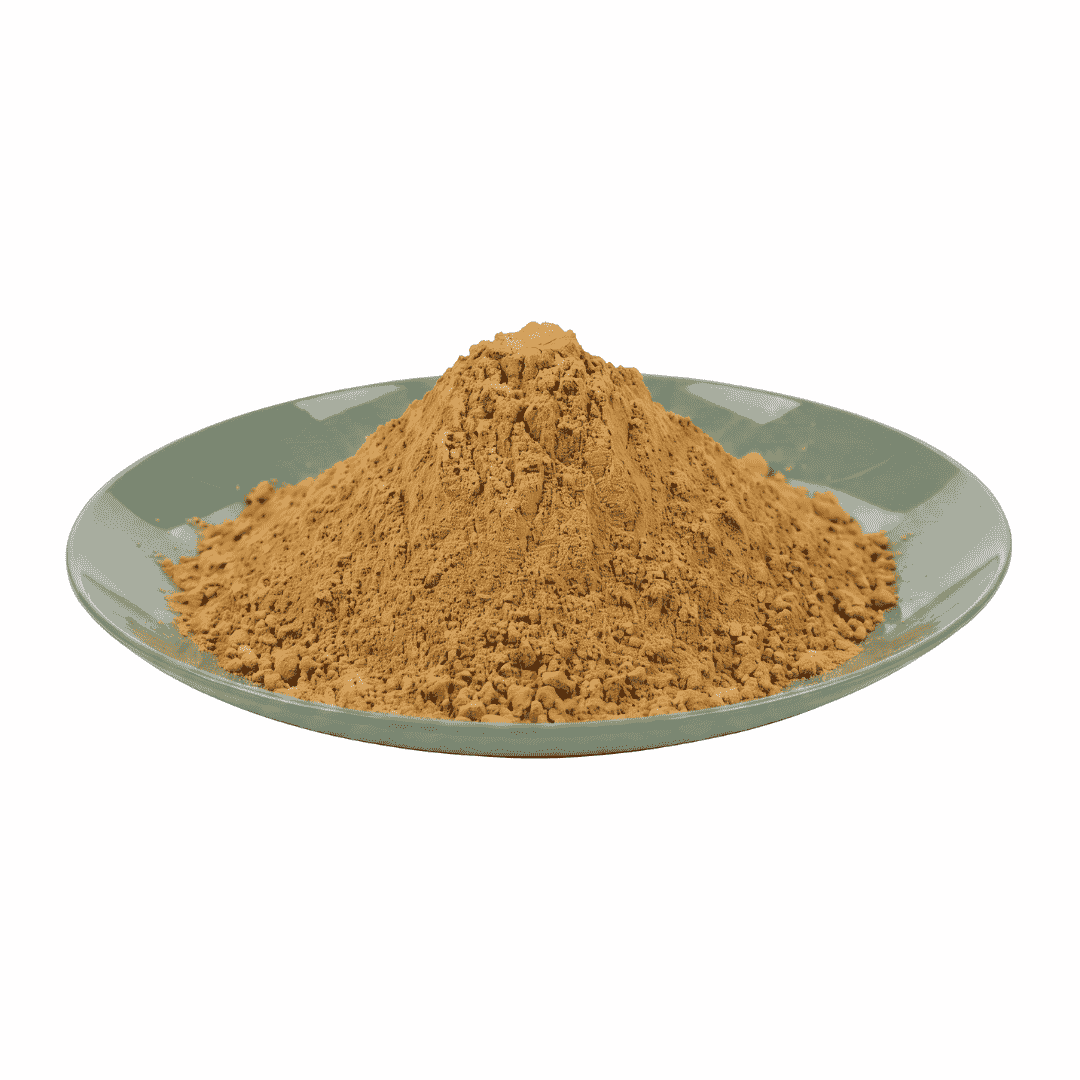
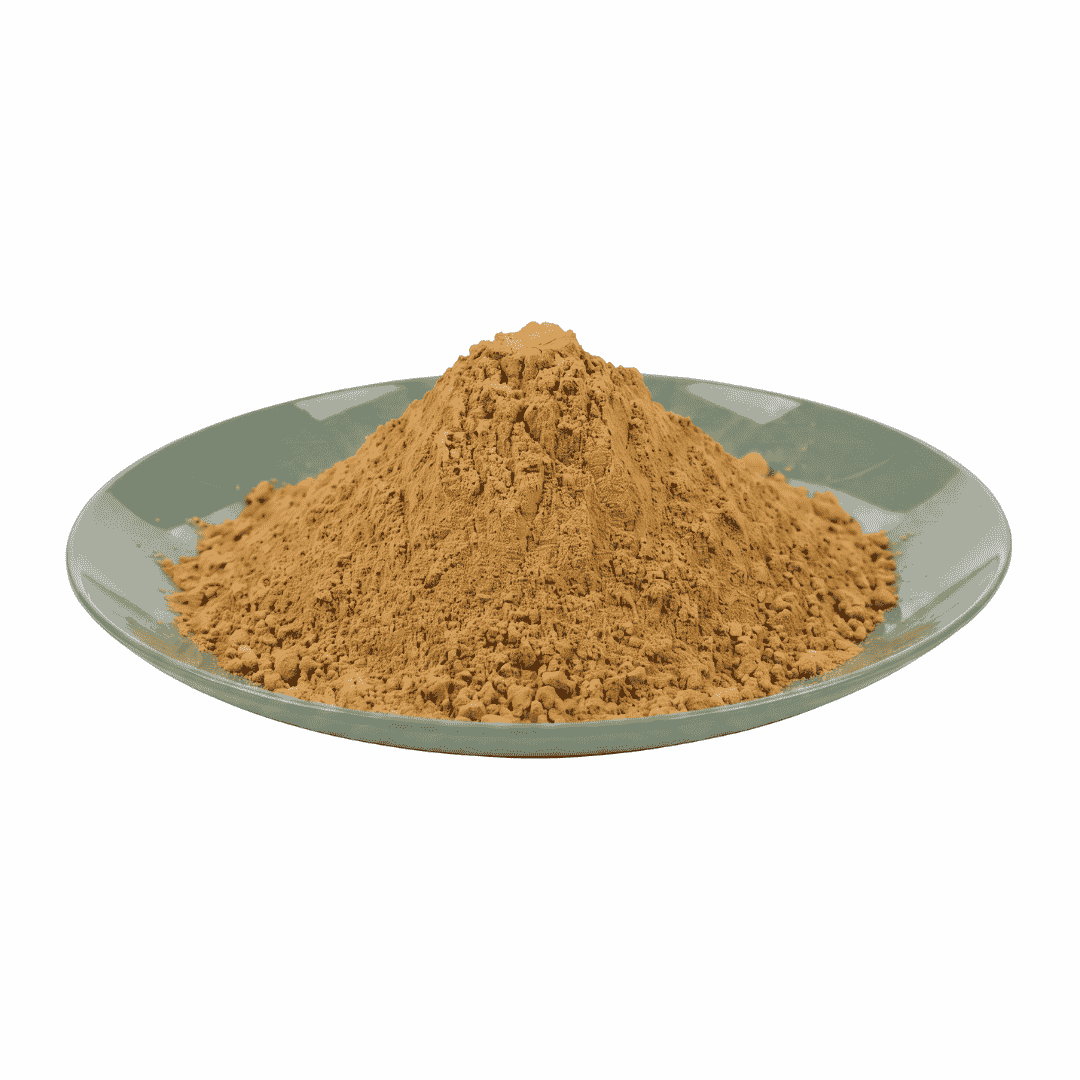
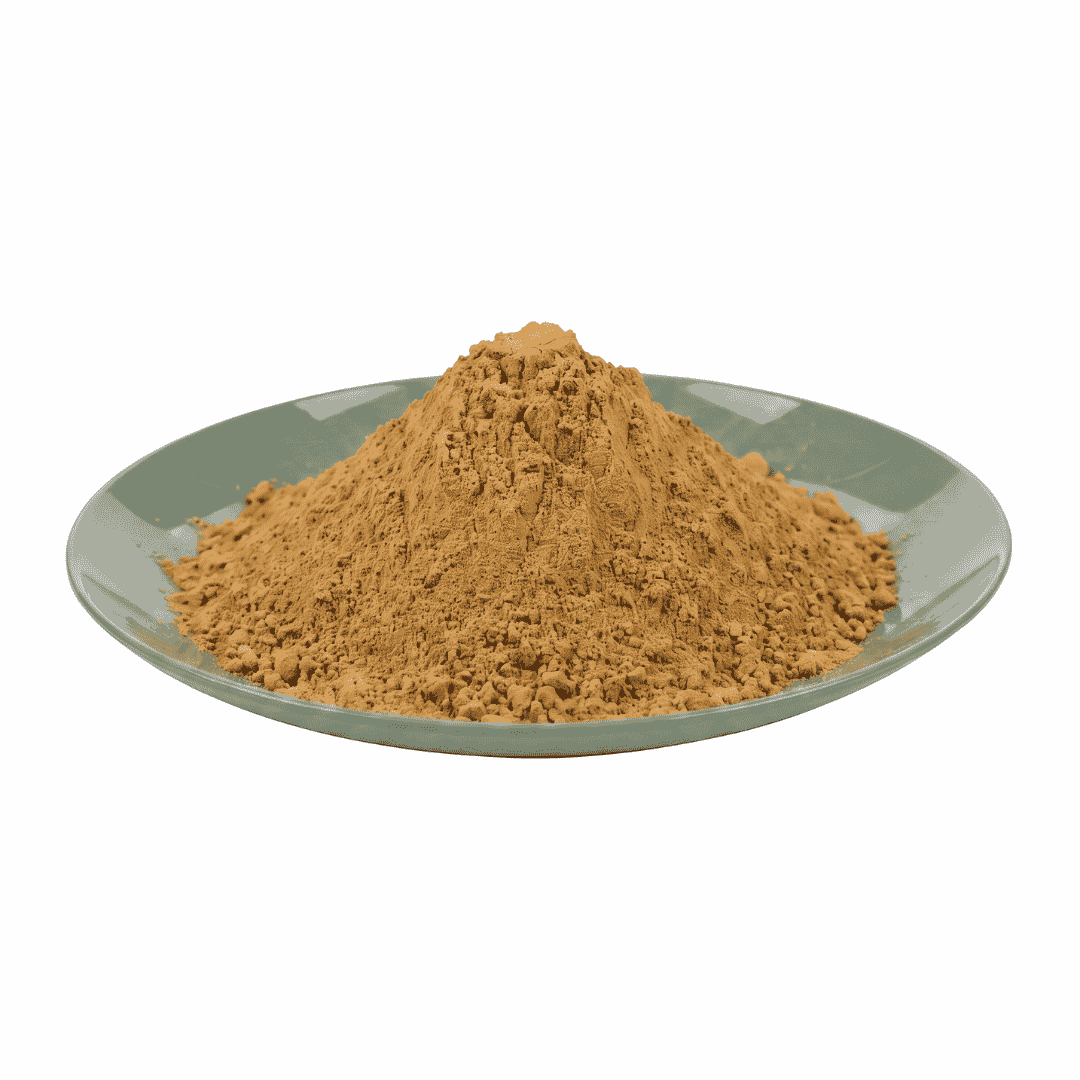
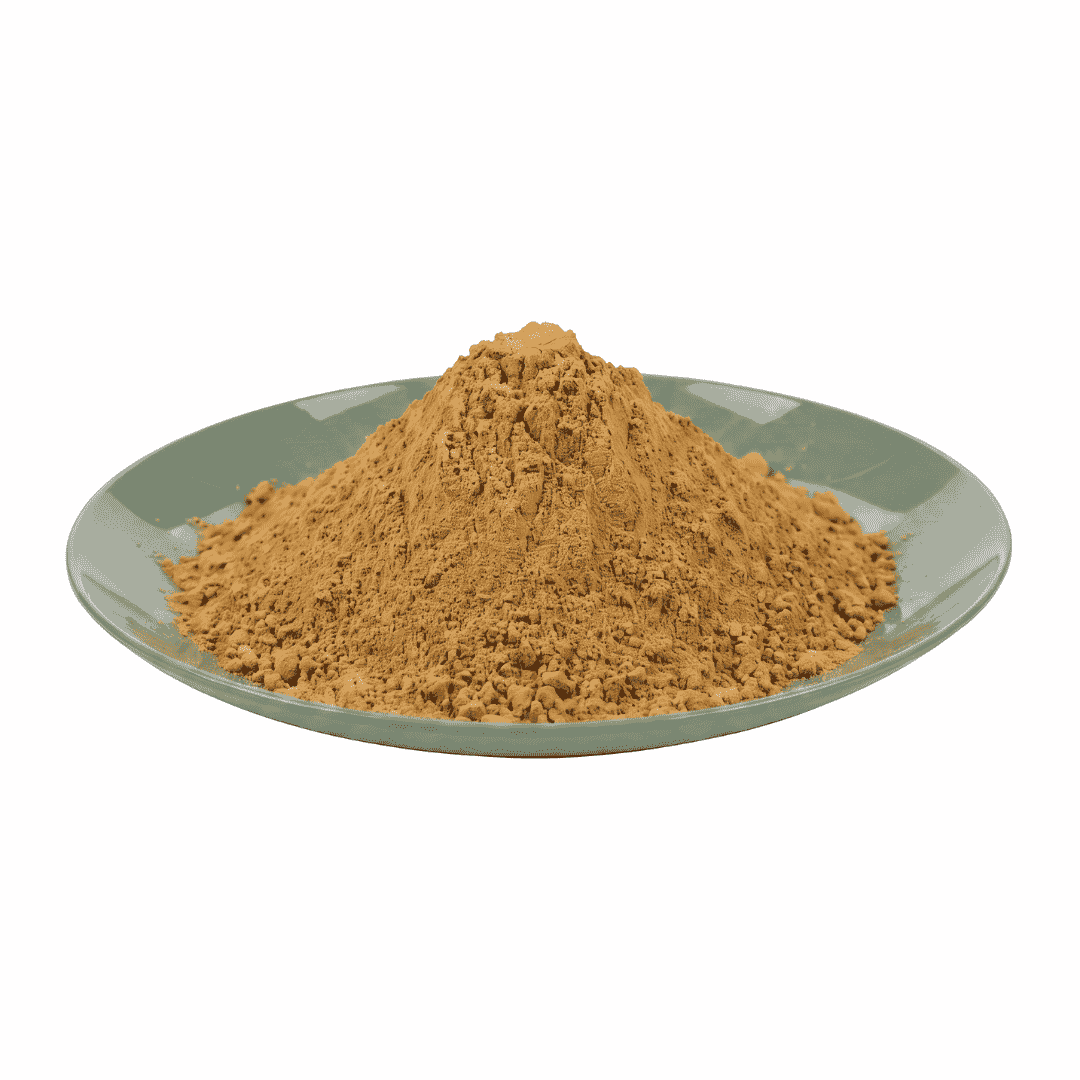
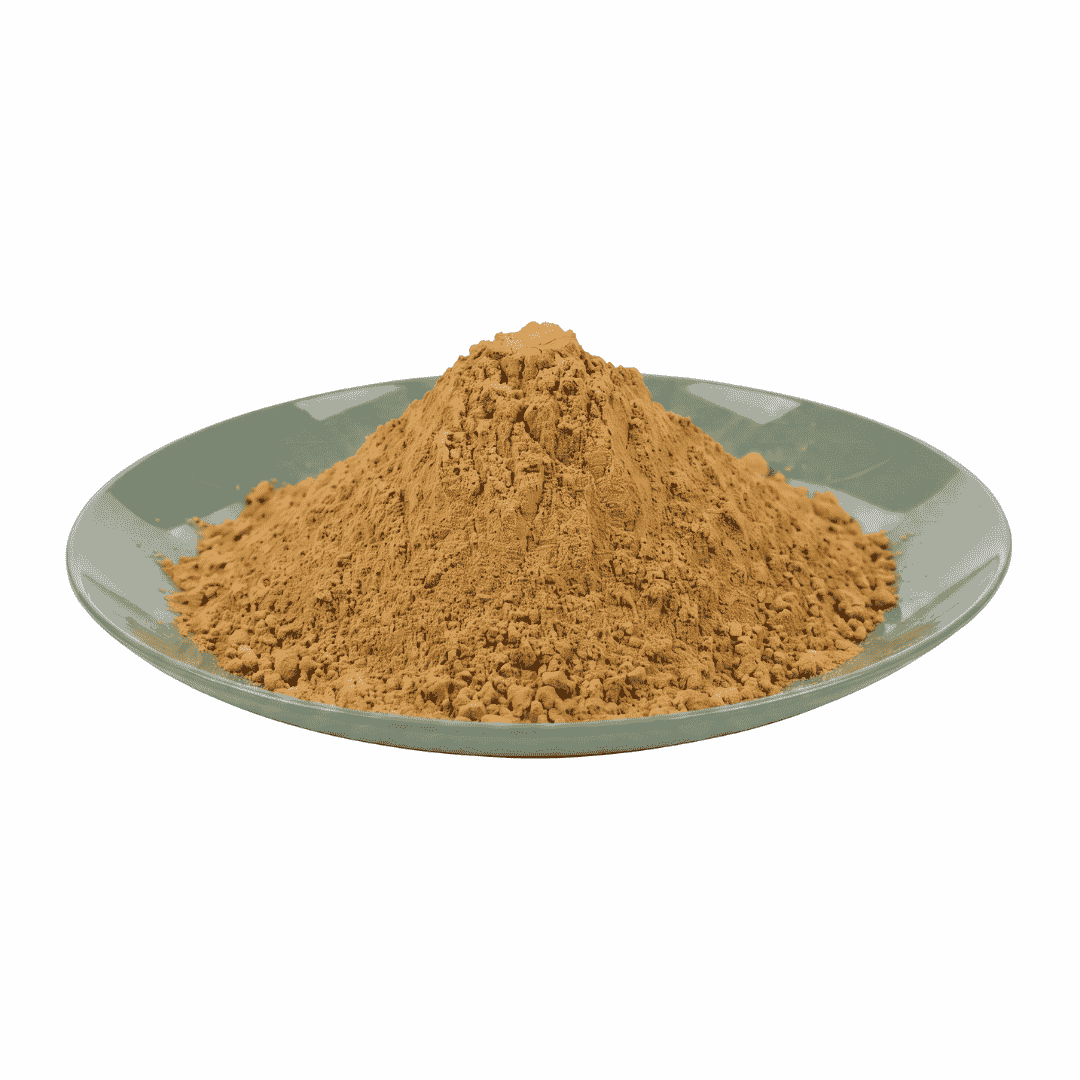
| Appearance | Yellow to off-white fine powder |
| Odor & Taste | Characteristic bitter flavor typical of ginseng saponins |
| Grade | Food Grade |
| Particle Size | 95% pass 80 mesh |
| Moisture (Loss on Drying) | ≤5.0% |
| Total Ash | ≤5.0% |
| Heavy Metals | Pb <10 ppm; As <2 ppm; Hg <1 ppm; Cd <0.1 ppm |
| Residual Solvents | ≤0.5% (GC) |
| Microbiological | Total aerobic count ≤5,000 CFU/g; Yeast & Mold ≤500 CFU/g; E. coli Negative; Salmonella Negative |
| Packaging | 25 kg per fiber drum (double polyethylene liner inside) |
| Shelf Life | 24 months from date of manufacture (stored as directed) |
| Storage Conditions | Store in a well-sealed container, away from moisture, direct light, and oxygen |
Active Compounds & Phytochemical Profile
The principal bioactive components in Korean Red Ginseng Extract Powder are ginsenosides (also known as panaxosides), a class of dammarane-type triterpene saponins. The steaming process that converts white ginseng to red ginseng alters the ginsenoside profile: malonyl ginsenosides and polar protopanaxadiol-type saponins (e.g., Rb1, Rb2, Rc, Rd) are partially converted into less polar, more bioavailable derivatives such as Rg3, Rh1, and Rh2.
Key Individual Ginsenosides (HPLC-Verified Profile)
| Ginsenoside | Typical Content (Example Batch) |
|---|---|
| Rg1 | 0.25% |
| Re | 0.31% |
| Rf | 0.04% |
| Rb1 | 0.74% |
| Rc | 0.44% |
| Rb2 | 0.42% |
| Rd | 0.27% |
| S-Rg3 | 0.26% |
| R-Rg3 | 0.81% |
| S-Rh2 | 0.17% |
| R-Rh2 | 0.14% |
| Total Ginsenosides | 3.85% |
The HPLC chromatogram is used for identification (TLC confirmation: identical to reference standard) and quantitative analysis. Individual ginsenoside ratios may vary slightly between batches depending on raw material origin and processing parameters — a factor that formulators should account for when developing proprietary blends.
Physical & Chemical Characteristics
- Solubility: Korean Red Ginseng Extract Powder is readily soluble in water and dilute ethanol, making it suitable for aqueous beverage systems, tinctures, and capsule formulations. It shows limited solubility in non-polar solvents.
- Stability: When stored in sealed, moisture-free containers away from heat and light, the powder maintains its ginsenoside potency throughout the stated 24-month shelf life. Exposure to humidity may cause caking; high temperatures may accelerate degradation of minor ginsenosides.
- pH: A 1% aqueous solution typically falls within pH 4.5–6.5.
Functional Properties & Biological Activity
The pharmacological and functional properties of Korean Red Ginseng Extract Powder have been extensively studied in preclinical research. Below is a summary of the principal areas of investigation relevant to supplement and nutraceutical product development:
1. Nervous System Modulation
Research indicates that specific ginsenoside combinations — particularly the mixture of Rc and Rg — exert inhibitory, stabilizing, and analgesic effects on the central nervous system in animal models. These compounds demonstrate central muscle relaxation, sedative-like activity, and reduction of spontaneous motor activity. Conversely, the Rg1, Rg2, and Rg3 fraction exhibits excitatory effects at moderate doses, with inhibitory effects observed at higher concentrations. Ginseng water infusions have also been shown to counteract convulsant-induced seizures (cocaine, strychnine, pentylenetetrazol) and reduce associated mortality in laboratory studies.
Relevance to formulators: These neuroactive properties support the use of ginseng extract in cognitive support supplements, stress-relief blends, and energy products targeting mental clarity and fatigue resistance.
2. Adaptogenic & Anti-Fatigue Activity
In endurance-based animal studies, ginseng liquid extract administered during prolonged swimming sessions promoted more efficient utilization of muscle glycogen and high-energy phosphate compounds, enhanced lactic acid and pyruvic acid metabolism, and supported aerobic energy production. Intraperitoneal administration of ginsenoside S (panaxoside S) at 5 mg/kg prevented depletion of ATP, glycogen, and creatine phosphate in muscle tissue and reduced post-exercise lactic acid accumulation.
Relevance to formulators: This adaptogenic profile makes Korean Red Ginseng Extract Powder a prime ingredient for sports nutrition, energy drinks, and anti-fatigue supplement categories.
3. Cardiovascular & Circulatory Effects
Ginsenosides have demonstrated mild, short-duration blood pressure modulation in anesthetized animal models. Aqueous ginseng infusions exhibit cardiac glycoside-like activity. Intravenous ginsenoside administration (25 mg/kg) produced measurable blood pressure reduction and slowed heart rate in cannabinol-treated dogs. In vitro, ginsenoside fractions (Rb + Ro at 83 μg/mL) significantly protected rat cardiomyocytes from hypoxia-reoxygenation and ischemia-reperfusion injury. Intravenous Rb + Ro (100 mg/kg) preserved creatine phosphokinase and superoxide dismutase activity in brain tissue, inhibited cerebral edema formation, reduced malondialdehyde (a lipid peroxidation marker), and promoted prostaglandin I2 (PGI2) release while suppressing thromboxane synthesis.
Relevance to formulators: Cardiovascular support supplements and functional foods targeting heart health may incorporate this extract as a complementary botanical ingredient.
4. Endocrine System Interactions
- Adrenal Axis: Intraperitoneal ginsenoside (20 mg/kg) elevated plasma corticosterone and adrenal cAMP levels in intact animals, with no effect in hypophysectomized subjects — suggesting pituitary-dependent adrenal stimulation.
- Anti-Diuretic Activity: A 20% alcohol extract of ginseng root and stem material (0.5–10 g/kg orally) reduced urine output in rats, though this effect was absent in adrenalectomized animals, indicating adrenal mediation.
- Reproductive Effects: Ginseng methanol extract prolonged estrus in intact female mice but did not induce estrus in ovariectomized mice or prevent seminal vesicle and prostate atrophy in castrated males, suggesting indirect gonadal modulation rather than direct hormonal replacement.
5. Metabolic Regulation
- Glucose Metabolism: A 50% alcoholic ginseng extract demonstrated hypoglycemic activity in alloxan-induced diabetic rats. Total ginsenosides showed preventive effects against alloxan-induced diabetes in mice. Ginseng root polysaccharide reduced blood glucose in normoglycemic mice, and ginsenoside Rb2 lowered blood sugar while also reducing hepatic glycogen. Inhibitory effects were observed against both alloxan- and glucose-induced hyperglycemia.
- Nucleic Acid & Protein Synthesis: Ginseng extract promoted radiolabeled whey protein incorporation into rat hepatocyte RNA, enhanced serum protein and globulin synthesis, and increased hepatic RNA polymerase activity.
- Lipid Metabolism: The extract increased ¹⁴C-acetate incorporation into rat liver fat and epididymal adipose tissue precursor uptake, while slightly reducing serum triglycerides — suggesting a stimulatory yet balancing effect on lipid metabolism. Ginsenosides promoted LDL uptake in hepatic and free-liver fractions, potentially reducing circulating LDL.
6. Hematopoietic Support
Alcoholic and aqueous ginseng extracts administered to rabbits increased erythropoietin content in bone marrow, liver, and spleen. In mice, ginseng enhanced resistance of bone marrow and spleen colony-forming units (CFU-S) and myeloid stem cells to alkaline damage. Ginseng decoction elevated whole blood, erythrocyte, and hemoglobin levels in both hypoxic and normoxic rat groups, with associated increases in phosphoglycerate. Certain saponin fractions exhibit hemolytic activity — a consideration for parenteral formulation development.
7. Anti-Inflammatory & Immune Modulation
Panax alcohol and linoleic acid fractions inhibited granulation tissue formation (fertilized egg method) and demonstrated anti-inflammatory effects (cotton pellet method). Ginseng extract, isolated ginsenosides, and ginseng polysaccharides accelerated carbon particle clearance rates in rats and guinea pigs, enhancing phagocytic function — a marker of innate immune activity.
8. Anti-Tumor Potential (Preclinical Context)
20(R)-ginsenoside significantly inhibited proliferation of human promyelocytic leukemia HL-60 cells and promoted cancer cell redifferentiation toward non-malignant phenotypes. Ginseng volatile oil (5.5 and 11 μg/mL) inhibited in vitro growth of SGC-823 gastric cancer cells.
Important note: These findings are derived from preclinical (in vitro and animal) studies and do not constitute clinical claims. Product labels and marketing materials should comply with local regulatory requirements regarding health claim substantiation.
Industry Applications
Korean Red Ginseng Extract Powder is utilized across multiple sectors of the health, wellness, and food industries:
| Application Sector | Typical Use |
|---|---|
| Dietary Supplements | Capsules, tablets, softgels — energy, immunity, cognitive support, anti-fatigue |
| Functional Foods & Beverages | Powdered drink mixes, energy bars, fortified teas, instant health beverages |
| Traditional Medicine Preparations | Component of compound formulas; used in preparations analogous to pharmacopoeial ginseng products |
| Cosmeceuticals | Skin-rejuvenation and anti-aging topical formulations (subject to regional cosmetic regulations) |
| Animal Nutrition | Growth promotion and immune support in livestock and aquaculture feed (where permitted) |
| Pharmaceutical R&D | Reference material and raw material for investigational botanical drug development |
Formulation Compatibility
This extract is compatible with a wide range of excipients commonly used in supplement manufacturing, including microcrystalline cellulose, dicalcium phosphate, magnesium stearate, silicon dioxide, and various binders. Its water solubility facilitates incorporation into liquid and semi-solid formats. Formulators developing proprietary blends should conduct compatibility and stability testing under their specific process conditions.
Quality Assurance, Certifications & Regulatory Compliance
The Extract Factory maintains a rigorous quality management system to ensure that every batch of Korean Red Ginseng Extract Powder meets defined specifications before release.
Quality Control Protocol
- Identity Testing: TLC comparison against pharmacopoeial reference standards (conforms).
- Potency Assay: HPLC quantification of individual and total ginsenosides (≥3.0% total, with full ginsenoside fingerprint profile).
- Safety Testing: Heavy metals (Pb, As, Hg, Cd), residual solvents (GC), microbial limits (total aerobic count, yeast & mold, E. coli, Salmonella) — all tested per CP2015 or equivalent pharmacopoeial methods.
- Physical Testing: Appearance, particle size, ash content, loss on drying — all within specification.
Certifications
| Certification | Status |
|---|---|
| Halal | Certified |
| Kosher | Certified |
| ISO 9001 | Certified |
These certifications support market access across diverse global regions, including the Middle East, Southeast Asia, North America, and Europe — particularly for buyers requiring documented compliance for import clearance and retail distribution.
Packaging, Storage & Shelf Life
| Detail | Specification |
|---|---|
| Packaging Format | 25 kg net weight per fiber drum with double polyethylene liner bags inside |
| Storage | Cool, dry environment; sealed container; protect from moisture, light, and oxygen |
| Shelf Life | 24 months from date of manufacture when stored under recommended conditions |
| Expiry Dating | Clearly marked on each batch label |
Proper storage is essential to preserve ginsenoside integrity. Exposure to elevated humidity or temperature may accelerate degradation. Buyers handling large volumes should implement first-in-first-out (FIFO) inventory practices.
Shipping & Logistics
The Extract Factory offers flexible shipping solutions to accommodate orders of all sizes — from sample quantities to full container loads.
| Order Volume | Packaging | Shipping Method | Estimated Lead Time |
|---|---|---|---|
| 5–50 kg | Below 5 kg: foil bag; 5–25 kg: double-layer PP bag in master carton or cardboard drum | International Express (FedEx / DHL / UPS) | 7–10 days |
| 100–200 kg | 25 kg/drum with double-layer PP bag liner in cardboard drum | Air Freight | 7–10 days |
| 500+ kg | 25 kg/drum with double-layer PP bag liner in cardboard drum | Sea Freight | 20–45 days |
Custom packaging options (e.g., custom drum sizes, private-label packaging) are available upon request for qualified wholesale and OEM accounts.
Why Source Korean Red Ginseng Extract Powder from The Extract Factory?
- Decade-Plus Expertise: The Extract Factory brings over 10 years of dedicated experience in botanical extraction and plant-derived ingredient manufacturing, with deep technical knowledge of ginseng chemistry and processing.
- Full Traceability: From raw material sourcing to finished product dispatch, every batch is documented and traceable — a non-negotiable for regulated markets.
- Flexible Customization: Extract ratios (10:1, 20:1, 50:1 or bespoke), packaging configurations, and OEM/private-label services are available to meet specific brand and formulation needs.
- Competitive Wholesale Pricing: Direct-from-manufacturer pricing eliminates intermediary markups, supporting healthy margins for distributors and brand owners.
- Responsive Technical Support: The Extract Factory's team provides formulation guidance, documentation support, and pre-shipment quality verification to streamline procurement.
Frequently Asked Questions
1. Can I request a free sample of your Korean Red Ginseng Extract Powder?
Yes. The Extract Factory provides complimentary samples for evaluation purposes. Shipping charges are the responsibility of the requesting party. Contact us to arrange sample dispatch.
2. What payment methods and terms do you accept?
The Extract Factory accepts T/T (bank transfer), credit card, Western Union, PayPal, and other standard international payment methods. Payment terms can be negotiated based on order volume and account history.
3. How does The Extract Factory ensure consistent product quality?
Quality is embedded in every step — from incoming raw material inspection and in-process controls to final batch release testing. The factory operates under ISO 9001-aligned procedures, and every shipment undergoes a pre-dispatch quality check to verify compliance with the certificate of analysis (COA).
4. Do you offer OEM or private-label services?
Absolutely. The Extract Factory supports OEM orders for qualified clients. Share your specifications, branding requirements, and target formulations, and the team will provide competitive pricing and develop samples promptly.
5. How can I get in touch with your team?
Reach out via email at [email protected], or connect through Skype and WhatsApp. All contact details are available on The Extract Factory website.
For procurement inquiries, technical data sheets, or custom quotation requests for Korean Red Ginseng Extract Powder, contact The Extract Factory today — your trusted partner in premium botanical ingredient supply.